
Price Drop Alerts Explained: Save More Online
Finding the best deals online can feel frustrating when prices change overnight or vary between regions like American or European markets. Many shoppers struggle with keeping track of price drops or fear missing out on discounts. Price drop alerts make shopping smarter by providing real-time price updates across hundreds of e-commerce sites, helping you seize opportunities and maximize your savings without wasting time or energy.
Table of Contents
- Defining Price Drop Alerts And Misconceptions
- Variations Of Price Drop Alert Tools
- How Automated Alerts Monitor Ecommerce Prices
- Setting Up Effective Price Drop Notifications
- Risks, Limitations, And What To Avoid
- Maximizing Savings With Alert Strategies
Key Takeaways
| Point | Details |
|---|---|
| Understanding Price Drop Alerts | Price drop alerts are essential tools that help consumers track product prices and make informed purchasing decisions. They provide real-time notifications when prices decrease, enhancing the shopping experience. |
| Types of Price Alert Tools | Different alert tools suit various user preferences; examples include browser extensions, mobile apps, and email notifications, each offering unique advantages. |
| Risks and Limitations | Consumers must be aware of potential risks such as inaccurate data, privacy concerns, and overreliance on automation, which can lead to misguided purchases. |
| Maximizing Savings Strategies | To maximize savings, users should set multiple thresholds, track items across retailers, and create comprehensive watch lists for seasonal sales. |
Defining Price Drop Alerts and Misconceptions
Price drop alerts represent a sophisticated digital tracking mechanism that empowers consumers to monitor product prices across multiple online platforms automatically. Unlike traditional shopping methods, these alerts transform how shoppers make purchasing decisions by providing real-time price intelligence.
At its core, a price drop alert is a personalized notification system that tracks specific products and instantly notifies users when prices decrease. Consumer buying decisions depend significantly on price tracking, revealing how these alerts fundamentally reshape shopping strategies.
Common misconceptions about price drop alerts include:
- Believing alerts only work for major retailers
- Assuming price tracking is complicated or time-consuming
- Thinking alerts are exclusively for expensive products
- Misconception that price drops happen randomly
In reality, price drop alerts are sophisticated tools that leverage advanced algorithms to monitor price fluctuations across hundreds of online stores. They transform how consumers approach purchasing by providing transparent, real-time pricing information.
How Price Drop Alerts Actually Work:
- Select specific products to track
- Set desired price thresholds
- Receive instant notifications when prices drop
- Make informed purchasing decisions
Price alerts turn passive shopping into an active, strategic process of maximizing value and minimizing expenses.
Pro Tip: Set multiple price alerts for the same product across different retailers to maximize your chances of finding the best deal.
Variations of Price Drop Alert Tools
Price drop alert tools have evolved significantly, offering consumers a diverse range of strategies for tracking product prices across digital platforms. Price monitoring methodologies vary widely depending on the specific tracking approach and target market.
The primary variations of price drop alert tools include:
- Browser Extension Alerts: Lightweight tools that integrate directly into web browsers
- Mobile App Trackers: Smartphone applications providing real-time price notifications
- Email Notification Systems: Traditional alert methods sending updates directly to user inboxes
- Desktop Software Trackers: Comprehensive programs offering detailed price monitoring
- API-Based Price Tracking: Advanced solutions for technical users and businesses
Each type of price alert tool offers unique advantages tailored to different user preferences and technological comfort levels. Browser extensions provide seamless integration for casual shoppers, while API-based solutions offer complex tracking capabilities for advanced users.

Here is a quick comparison of price drop alert tool types:
| Alert Tool Type | Best For | Setup Complexity | Notification Method |
|---|---|---|---|
| Browser Extension Alerts | Casual web shoppers | Very easy | In-browser pop-up notifications |
| Mobile App Trackers | On-the-go users | Easy | Phone push messages |
| Email Notification Systems | Email-focused consumers | Moderate | Inbox email alerts |
| Desktop Software Trackers | Detailed tracking needed | More complex | Desktop notifications |
| API-Based Price Tracking | Technical users/businesses | Advanced setup | Custom integration responses |
Key Differences Between Alert Tools:
- Real-time tracking speed
- Number of supported retailers
- Customization options
- Price history depth
- Cross-platform compatibility
Sophisticated price drop alert tools transform passive shopping into an active, data-driven purchasing strategy.
Emerging Technologies in Price Tracking:
- Artificial Intelligence price prediction
- Machine learning algorithm refinements
- Integration with social media platforms
- Advanced data visualization techniques
Pro Tip: Combine multiple price alert tools to create a comprehensive tracking strategy and maximize your potential savings.
How Automated Alerts Monitor Ecommerce Prices
Automated price monitoring represents a sophisticated technological approach to tracking product prices across multiple online platforms. Machine learning pricing algorithms dynamically analyze price fluctuations in real-time, enabling consumers to make more informed purchasing decisions.
The core mechanisms of automated price monitoring involve several sophisticated strategies:
- Web Crawling: Continuously scanning multiple retailer websites
- Price Comparison: Analyzing prices across different platforms
- Historical Data Tracking: Storing and comparing past price points
- Algorithmic Analysis: Predicting potential future price movements
- Instant Notification Systems: Alerting users about significant price changes
These automated systems work through complex technological processes that go far beyond simple price checking. Advanced algorithms can detect subtle price variations, considering factors like seasonal trends, inventory levels, and competitive pricing strategies.
Key Components of Automated Price Monitoring:
- Data collection from multiple sources
- Real-time price comparison
- Pattern recognition algorithms
- User-specific customization
- Comprehensive price history tracking
Automated price alerts transform passive shopping into an intelligent, data-driven consumer strategy.
Technological Innovations in Price Tracking:
- Artificial Intelligence predictive modeling
- Machine learning price trend analysis
- Cross-platform price synchronization
- Advanced data visualization techniques
Pro Tip: Configure multiple alert parameters to capture the most comprehensive price tracking strategy for your shopping needs.
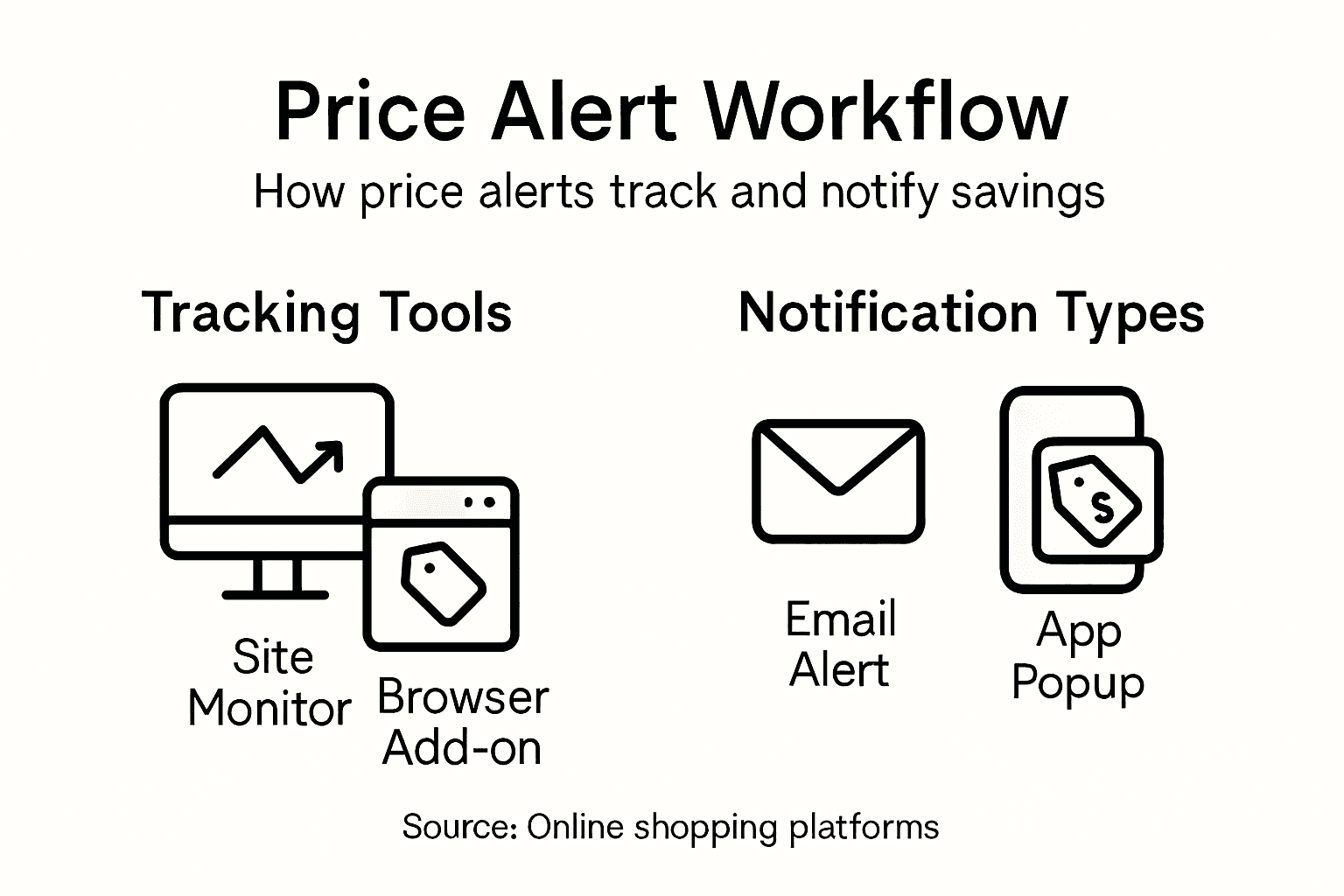
Setting Up Effective Price Drop Notifications
Creating a robust price drop notification system requires strategic planning and careful configuration. Price reduction request processes demonstrate the importance of precise timing and systematic review when establishing effective alert mechanisms.
The essential steps for setting up powerful price drop notifications include:
- Product Selection: Identifying specific items to track
- Price Threshold Configuration: Establishing precise drop percentage triggers
- Notification Channel Setup: Choosing preferred alert methods
- Customization Options: Tailoring alerts to individual shopping preferences
- Multi-Platform Monitoring: Tracking prices across different retailers
Successful price drop notifications depend on understanding your personal shopping patterns and configuring alerts that provide meaningful, actionable information. This means moving beyond simple price tracking to creating a sophisticated, personalized monitoring system.
Notification Configuration Strategies:
- Set realistic price drop percentages
- Choose multiple notification channels
- Create flexible alert parameters
- Review and adjust alert settings periodically
- Integrate cross-platform tracking
Effective price drop notifications transform random shopping into a strategic, data-driven experience.
Advanced Notification Customization Techniques:
- Dynamic percentage-based alerts
- Time-sensitive price tracking
- Brand and retailer specific monitoring
- Seasonal price trend analysis
Pro Tip: Configure price drop alerts with narrow and broad thresholds to capture both significant discounts and subtle price movements.
Risks, Limitations, and What to Avoid
Price drop alert systems, while powerful, come with inherent risks and potential pitfalls that consumers must carefully navigate. Price control systems reveal critical market limitations that parallel the challenges in automated price tracking technologies.
Common Risks in Price Drop Alert Systems:
- Inaccurate or delayed price information
- Potential data privacy concerns
- Overreliance on automated notifications
- Misleading discount calculations
- Technical glitches and system failures
Consumers must understand that not all price alerts are created equal. Some systems might provide incomplete or outdated information, potentially leading to misguided purchasing decisions. The complexity of pricing algorithms means that alerts can sometimes misinterpret or oversimplify market dynamics.
Key Limitations to Watch For:
- Incomplete price tracking across platforms
- Inconsistent update frequencies
- Limited retailer coverage
- Potential algorithmic biases
- Lack of contextual price information
Automated price alerts are tools, not guarantees - critical thinking remains your best shopping strategy.
Potential Alert System Vulnerabilities:
- Algorithmic errors in price calculations
- Failure to account for seasonal pricing variations
- Incomplete understanding of product value
- Misrepresentation of actual savings
Pro Tip: Always cross-reference price drop alerts with manual research to verify the accuracy and true value of potential purchases.
This summary highlights common risks versus mitigation strategies for using price drop alerts:
| Risk or Limitation | Example Challenge | Recommended Response |
|---|---|---|
| Inaccurate price data | Outdated sale notification | Cross-reference with retailer site |
| Privacy concerns | Data collected insecurely | Use reputable, reviewed tools |
| Overreliance on automation | Missed manual deals | Confirm savings before purchase |
| Misleading discounts | Fake high “original” price | Research product price history |
| Technical system glitches | Missed or duplicate alerts | Set backup alerts and monitor |
Maximizing Savings With Alert Strategies
Strategic price drop alerts can transform your shopping experience from reactive spending to proactive savings. Automated savings strategies help consumers optimize purchasing decisions by creating intelligent, systematic approaches to tracking product prices.
Key Strategies for Maximizing Price Drop Alert Effectiveness:
- Configure multiple price thresholds
- Track items across different retailers
- Set alerts for seasonal and holiday sales
- Monitor price history trends
- Create comprehensive watch lists
Successful price alert strategies require more than just passive monitoring. Consumers must actively develop sophisticated tracking approaches that adapt to changing market conditions and individual purchasing patterns.
Advanced Alert Configuration Techniques:
- Establish percentage-based drop thresholds
- Create tiered notification levels
- Integrate cross-platform price comparisons
- Customize alert frequency
- Prioritize high-value product categories
Effective price drop alerts transform shopping from a cost center into a strategic savings opportunity.
Sophisticated Alert Optimization Methods:
- Machine learning price prediction
- Dynamic threshold adjustments
- Contextual pricing analysis
- Personalized savings recommendations
Pro Tip: Develop a comprehensive alert strategy by combining multiple tracking methods and continuously refining your approach based on actual savings performance.
Take Control of Your Savings with Price Drop Alerts from PriceLix
The challenge many online shoppers face is missing out on the best deals because price drops happen unexpectedly and tracking multiple stores manually is overwhelming. This article explains how price drop alerts empower consumers to monitor prices automatically and make smarter buying decisions by receiving real-time notifications when prices fall below desired thresholds. If you want to eliminate the frustration of constantly checking different retailers and avoid paying full price unnecessarily, it is time to adopt a smarter strategy.
PriceLix makes this effortless by letting you track items across Amazon, eBay, Walmart, and over a thousand other stores all in one place. With its intuitive dashboard, you can instantly know when prices drop, access detailed price history charts, and set personalized alerts without complicated extensions or tools. This means you regain control over your spending and capitalize on discounts the moment they appear.
Ready to stop overpaying and maximize your savings during holiday sales and seasonal discounts? Start your smarter shopping journey now by visiting PriceLix.
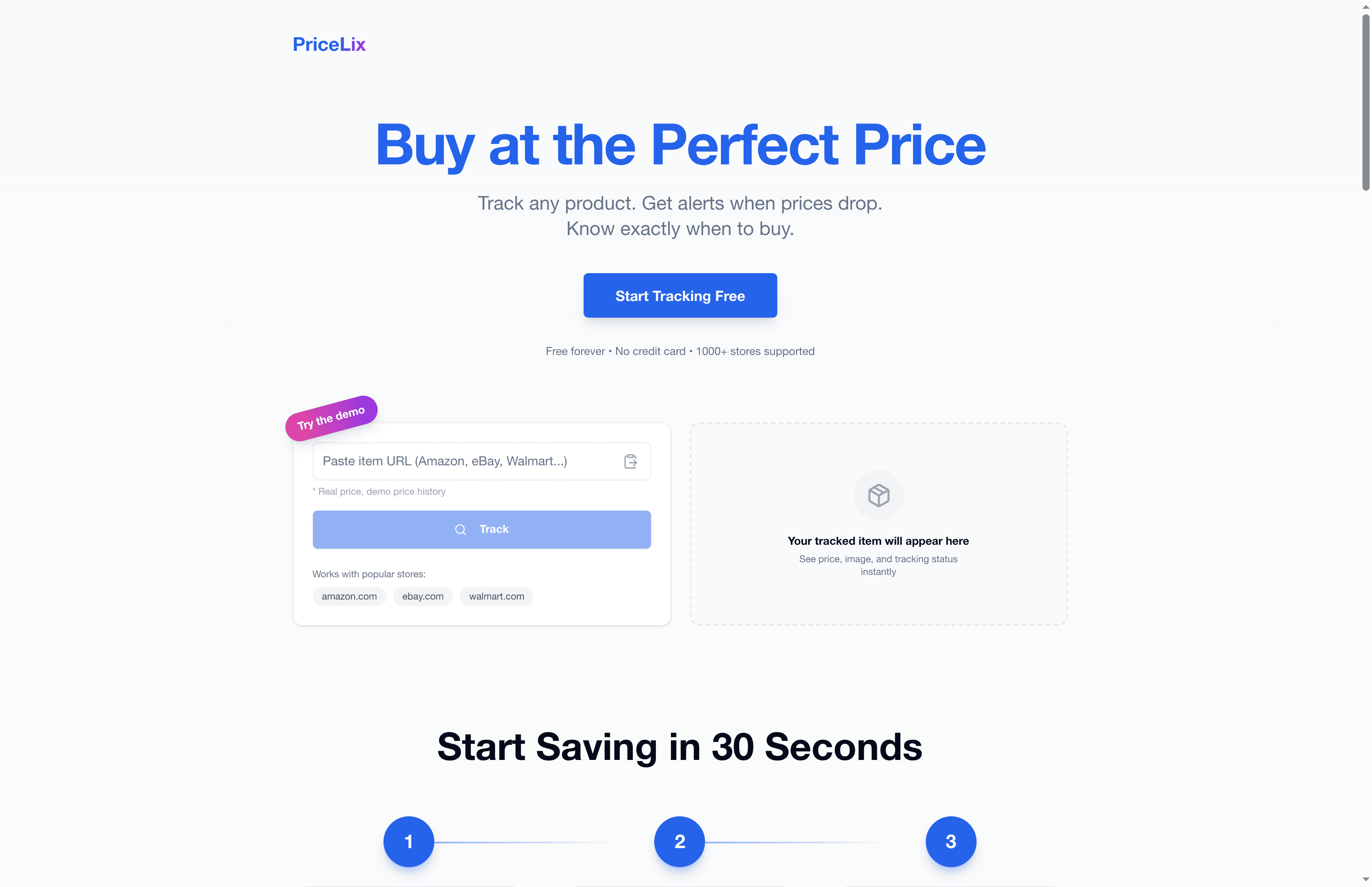
Experience the convenience of automated price monitoring today. Track your favorite products, set custom alerts, and make confident purchasing decisions with PriceLix. Your wallet will thank you.
Frequently Asked Questions
What are price drop alerts?
Price drop alerts are notifications that inform consumers when specific products experience a price decrease, enabling more informed purchasing decisions.
How do I set up price drop notifications?
To set up price drop notifications, select specific products to track, configure desired price thresholds, and choose your notification method through tools like browser extensions or mobile apps.
What types of price drop alert tools are available?
There are various types of price drop alert tools available, including browser extensions, mobile app trackers, email notification systems, desktop software, and API-based solutions, each catering to different user preferences and technical abilities.
What are the risks of using price drop alert systems?
Risks associated with price drop alert systems include inaccurate price information, potential data privacy concerns, overreliance on automated notifications, and technical glitches that may affect alert performance.