
Why Use Price Trackers: Maximizing Online Savings
Every parent and student searching for the lowest prices online knows how quickly deals can slip away during major events like Black Friday or Singles Day. Keeping track of price changes across so many retailers feels impossible without the right tools. With automated price trackers offering real-time price monitoring and immediate alerts, shoppers gain smarter ways to spot true discounts and stretch their budgets further. Discover how these features put the power back in your hands to maximize savings and make smarter buying choices.
Table of Contents
- What Are Price Trackers And How They Work
- Types Of Price Trackers And Key Differences
- Key Features That Drive Smart Shopping
- Real-World Benefits For Budget Shoppers
- Risks, Limitations, And Alternatives Explained
Key Takeaways
| Point | Details |
|---|---|
| Price Trackers Enhance Shopping Decisions | These tools provide real-time price data and notifications, allowing consumers to make informed choices and maximize savings. |
| Understanding Price Index Types is Essential | Different indices, such as CPI and PPI, serve unique economic purposes, helping consumers and policymakers grasp market behaviors. |
| Smart Shopping Features Foster Budget Management | Historical data, real-time alerts, and cross-platform comparisons empower consumers to optimize spending and avoid unnecessary costs. |
| Risks and Limitations Must be Considered | Privacy concerns and potential inaccuracies highlight the importance of careful use of price tracking technologies to protect personal data. |
What Are Price Trackers and How They Work
Price trackers represent sophisticated digital tools designed to monitor and analyze product pricing across multiple online platforms. These intelligent systems continuously scan e-commerce websites, collecting real-time price data to help consumers make smarter purchasing decisions. By systematically tracking retail prices, price trackers provide unprecedented transparency into market pricing dynamics.
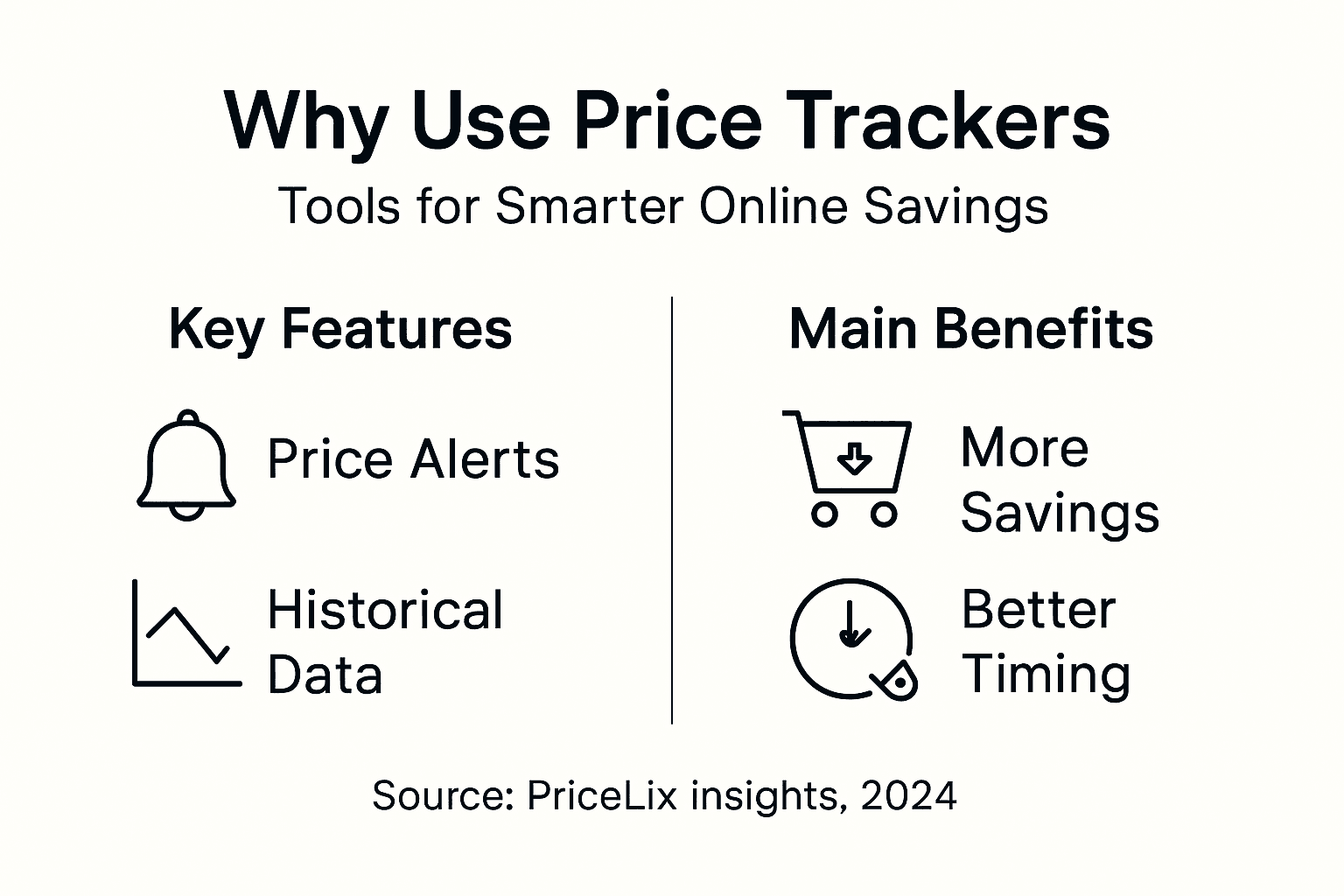
At their core, price trackers function through advanced web scraping technologies that automatically collect pricing information from various online retailers. The process involves several key components:
- Continuous price monitoring across multiple e-commerce platforms
- Real-time data collection and analysis
- Automated tracking of specific product prices
- Historical price trend visualization
- Instant price drop alerts
The mechanism behind price tracking relies on complex algorithms that compare prices across different sellers, helping consumers identify the most cost-effective purchasing opportunities. Price trackers can track everything from electronics and clothing to household goods, providing comprehensive market insights.
Understanding price tracking involves recognizing its role in preventing extreme price fluctuations and empowering consumers with actionable market intelligence. These tools not only save money but also help shoppers make more informed purchasing decisions by revealing pricing trends and potential future cost changes.
Pro tip: Set up price tracking for multiple items you’re interested in purchasing to maximize your potential savings and catch the best possible deals.
Types of Price Trackers and Key Differences
Price trackers come in diverse forms, each designed to capture different aspects of pricing dynamics across various economic sectors. Popular price tracking methods range from consumer-focused indices to broader economic measurement tools, each serving unique analytical purposes.
The primary types of price trackers include:
- Consumer Price Index (CPI): Tracks retail prices experienced by urban households
- Producer Price Index (PPI): Measures prices received by producers at wholesale levels
- Personal Consumption Expenditures (PCE) Index: Captures broader consumer spending behaviors
- GDP Price Index: Reflects prices of all domestically produced goods and services
Each price tracker offers distinct advantages depending on the specific economic insights required. The Consumer Price Index, for instance, provides a direct view of how prices impact everyday consumers, while the Producer Price Index reveals upstream pricing trends that can predict future consumer costs.
Economic price tracking involves more than simple number collection. Different indices capture unique market perspectives, considering factors like non-market prices, service sectors, and overall economic output. These nuanced approaches help economists, policymakers, and consumers understand complex pricing mechanisms.
Here’s a side-by-side comparison of the four main economic price trackers discussed in this article:
| Price Tracker Type | Data Source | Main Use Case | Unique Strength |
|---|---|---|---|
| Consumer Price Index (CPI) | Urban retail prices | Measures inflation for households | Reflects everyday consumer costs |
| Producer Price Index (PPI) | Wholesale producer prices | Monitors upstream price changes | Can predict future retail price shifts |
| Personal Consumption Expenditures (PCE) Index | Consumer spending data | Tracks broad spending patterns | Includes more goods/services than CPI |
| GDP Price Index | Entire economy’s output | Evaluates overall economic inflation | Captures all domestically produced output |
Pro tip: Compare multiple price indices to gain a comprehensive understanding of pricing trends across different economic perspectives.
Key Features That Drive Smart Shopping
Smart shopping price trackers are transforming how consumers make purchasing decisions by offering sophisticated features that go beyond simple price monitoring. Price tracking technologies reveal critical consumer insights, enabling shoppers to make more informed and strategic buying choices.
The key features that drive smart shopping include:
- Historical Price Data: Tracks price fluctuations over extended periods
- Real-Time Price Alerts: Instant notifications about price drops
- Price Trend Analysis: Predictive insights into future pricing patterns
- Cross-Platform Comparison: Comparing prices across multiple retailers
- Budget Tracking: Monitoring spending limits and potential savings
These advanced features empower consumers by providing unprecedented visibility into pricing dynamics. Innovative shopping systems integrate multiple tracking capabilities, such as automated spending notifications and comprehensive price comparison tools that transform how people approach online shopping.
By leveraging these intelligent features, shoppers can move beyond traditional buying methods. Smart price tracking allows consumers to anticipate price changes, identify the most cost-effective purchasing windows, and make data-driven decisions that maximize their budget potential.
The following table summarizes how smart price tracker features influence shopping strategies:
| Feature | How It Helps Shoppers | Potential Drawback |
|---|---|---|
| Historical Price Data | Shows long-term trends | May miss sudden sales |
| Real-Time Alerts | Enables immediate action | Can overwhelm with notifications |
| Price Trend Analysis | Supports forecasting | Predictions may be unreliable |
| Cross-Platform Comparison | Reveals best prices | May not cover all stores |
| Budget Tracking | Prevents overspending | Relies on accurate input |
Pro tip: Set up multiple price tracking alerts for your most desired items to capture the best possible deals across different platforms.
Real-World Benefits for Budget Shoppers
Price tracking strategies transform budget management by providing consumers with unprecedented insights into spending optimization. These tools empower shoppers to make strategic purchasing decisions that maximize value while minimizing financial strain.
The primary benefits for budget-conscious consumers include:
- Expense Reduction: Identifying lowest possible prices across platforms
- Strategic Timing: Capitalizing on optimal purchase windows
- Budget Predictability: Understanding price fluctuation patterns
- Comparative Shopping: Evaluating cost differences between retailers
- Financial Planning: Tracking spending trends and potential savings
Understanding price dynamics allows budget shoppers to adapt their purchasing strategies intelligently. Consumer spending research demonstrates that those who leverage time and price information can significantly adjust their shopping patterns to align with financial constraints.

Beyond simple price comparison, smart price tracking enables consumers to develop more sophisticated approaches to personal finance. By gaining visibility into pricing trends, shoppers can make informed decisions that stretch their budgets further and avoid unnecessary expenses.
Pro tip: Create price drop alerts for your most frequently purchased items to automatically capture the best possible deals.
Risks, Limitations, and Alternatives Explained
Digital price tracking technologies present complex privacy challenges that consumers must carefully consider before adopting these tools. While price trackers offer significant benefits, they also introduce potential risks related to data privacy, algorithmic pricing, and personal information management.
Key risks and limitations of price tracking include:
- Privacy Concerns: Extensive data sharing revealing personal information
- Algorithmic Pricing: Potential for artificially inflated prices
- Data Vulnerability: Risk of personal information exposure
- Tracking Inaccuracies: Potential for incomplete or misleading price information
- Psychological Impact: Potential decision paralysis from information overload
Pricing algorithms can inadvertently harm consumer interests, creating unexpected challenges in competitive markets. These systems might extract wealth from consumers through complex automated pricing strategies that traditional consumer protection mechanisms struggle to address.
Alternatives to comprehensive price tracking include manual price comparison, setting personal spending limits, and developing disciplined shopping habits. Consumer awareness remains the most powerful tool in navigating potential technological limitations and protecting personal financial interests.
Pro tip: Regularly review and adjust privacy settings on price tracking platforms to minimize potential data exposure risks.
Unlock Smarter Savings with Price Trackers Like PriceLix
The article highlights the challenge of managing price fluctuations and the complexity of tracking multiple product prices across various e-commerce platforms. If you want to avoid overpaying and capitalize on real-time price drops, price trackers offer a vital solution. Concepts like real-time price alerts, historical price data, and cross-platform comparison emphasize the need for automated, intelligent tools that reduce the effort and uncertainty in online shopping.
PriceLix meets these needs head-on by providing an easy-to-use platform that automatically tracks prices for your favorite products from Amazon, eBay, Walmart, and over a thousand other retailers. It saves you time and eliminates guesswork with instant alerts and detailed price history charts — empowering you to make confident buying decisions that actually maximize your budget.
Are you ready to transform your shopping experience and never miss a deal? Experience firsthand how PriceLix’s price tracking can simplify your savings strategy.
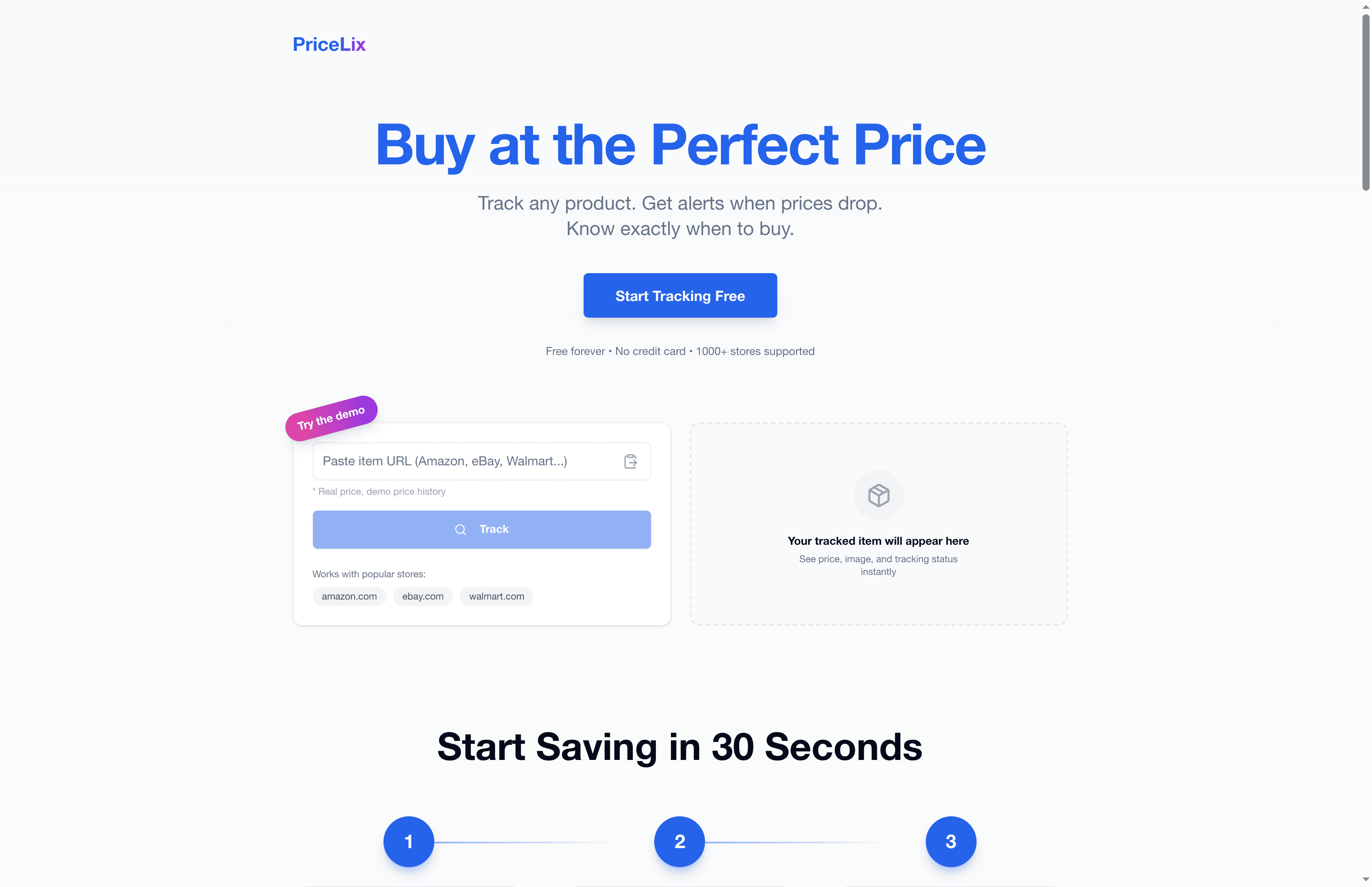
Start optimizing your purchases today by visiting the PriceLix homepage. Take control of your spending with smart, automated price monitoring designed for budget-conscious shoppers who want real results.
Explore the benefits of automated price tracking and discover why thousands of savvy shoppers trust PriceLix for smarter online savings.
Frequently Asked Questions
What are price trackers and how do they work?
Price trackers are digital tools that monitor and analyze product pricing across various online platforms. They continuously collect real-time price data through web scraping technologies to help consumers make informed purchasing decisions.
What are the benefits of using price trackers for online shopping?
Using price trackers can lead to expense reduction by identifying the lowest prices, enable strategic timing to capitalize on optimal purchase windows, and offer budget predictability through price fluctuation insights.
How can historical price data from price trackers help consumers?
Historical price data shows long-term trends in pricing, empowering consumers to anticipate potential future price changes and make more strategic buying decisions based on past price fluctuations.
Are there any risks associated with using price trackers?
Yes, risks include privacy concerns from data sharing, potential algorithmic pricing that may inflate costs, and tracking inaccuracies that could provide misleading information about prices.
Recommended
- Amazon Price Tracker Guide 2025 | PriceLix | PriceLix
- How Price Comparison Works for Smart Shoppers | PriceLix
- Stop Overpaying Online | Save $1000/Year | PriceLix | PriceLix
- Target Coupons & Promo Codes 2026 | PriceLix | PriceLix
- Order Tracking Optimization That Actually Works: Reduce Support Calls and Drive Revenue - WISMOlabs